Metal roofs earn their reputation the hard way, in places where winter chews through shingles and summer bakes anything left unprotected. When the weather turns harsh, the difference between a decent metal roof and a great one often comes down to professional planning, system selection, and precise installation. I have seen roofs survive thirty winters with barely a paint touch-up, and I have seen new panels torn off after the first ice storm because a critical fastener pattern was ignored. The material has potential, but the craft decides whether that potential pays off.
What “harsh” really means for a roof
Harsh climate is more than cold or heat. It is the cycle and intensity. Mountain towns deal with freeze-thaw almost daily for months. Coastal areas combine salt spray, wind-driven rain, and long UV exposure. Tornado alleys and plains see gusts that lift edges like a crowbar. Desert regions swing 40 degrees in a day, which moves metal more than most people expect. Add wildfire embers or wet snow loads in the hundreds of pounds per square foot, and you start to see why a one-size-fits-all approach fails.
A proper metal roofing installation for these conditions accounts for thermal movement, water management under pressure, corrosion exposure, uplift resistance, and the substrate beneath. Each factor influences product choice and detailing, from the profile of the panel to the clip design and the underlayment type.
Matching system to climate, not to preference
Homeowners and facility managers often start with aesthetics or brand, then try to make the product fit the environment. The better approach runs the other way. Start with the climate pressures, then narrow the system.
Standing seam systems work well in snow and heavy rain because their seams are vertical and raised off the water plane. Hidden fasteners reduce penetration points. A mechanically seamed profile adds extra strength against wind uplift and water driven by gusts. Snap-lock standing seam has its place, but I avoid it near ridge tops and open fields where the wind grinds at the same seam year after year. For coastal projects, corrosion protection defines the spec. Aluminum or a high-grade stainless system gets expensive, but it outlasts steel if salt exposure is regular. Where budget demands coated steel, I look for panels with an aluminum-zinc alloy base coat and a robust topcoat like PVDF. Polyester looks good on day one, then chalks and fades under coastal UV within a few years.
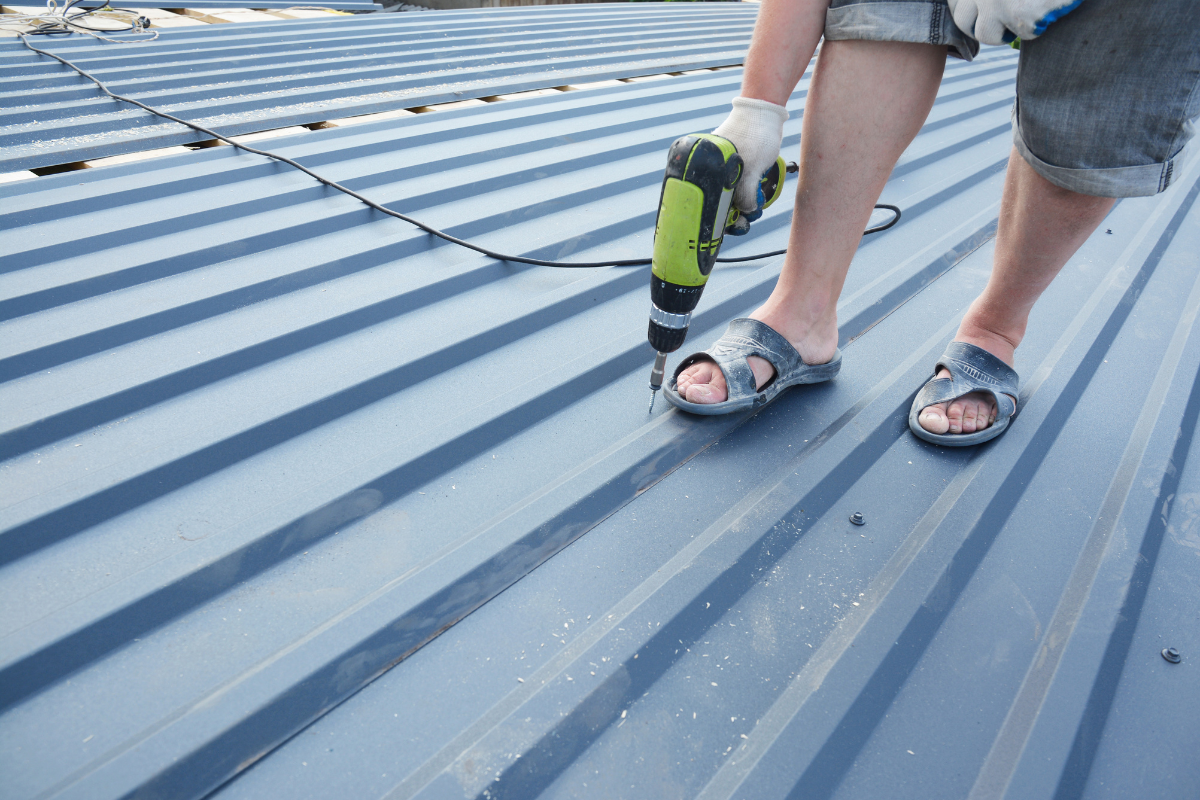
Through-fastened panels, often sold under agricultural or “R-panel” names, can perform well in dry climates with less wind. They install quickly and cost less up front. The trade-off is expansion stress around the screws and more frequent maintenance. In the upper Midwest I have replaced too many through-fastened systems at 12 to 15 years because fasteners worked loose and the gasket washers hardened. When temperatures swing and snow unloads from the ridge in slabs, those screws take a beating. If you go this route, choose oversized bearing plates in high-load areas and budget for re-screw or replace cycles at mid-life.
For residential metal roofing on steep-slope homes, standing seam usually offers the best balance of longevity and curb appeal. On commercial metal roofing with low slopes, the specific attachment method, seam height, and clip design carry more weight than brand names. Low-slope roofs, anything approaching a 1:12 pitch, demand profiles and seams rated for that pitch. Skimp here and capillary action and ice will find the seams.
Structure and substrate matter more than most people think
A roof is only as strong as what it sits on. In snow country, old rafters with marginal spans or sheathing that flexes underfoot may not support a metal system that sheds snow quickly into a heavy drift. I begin with a structural check. On older homes with 2x4 rafters and unknown species, I do not take snow loads at face value. A quick calculation and sometimes a site visit from an engineer costs less than redoing a buckled roof. On commercial retrofits with bar joists, make sure the purlin spacing matches the panel manufacturer’s tables. I have refused jobs where the owner wanted to “make it work” by increasing fastener counts. You cannot fasten your way out of a flexing deck.
Sheathing and underlayment must be handled with the same level of attention. Over conditioned spaces in cold regions, condensation control is half the fight. Keep the roof deck warm enough to avoid dew point in the insulation layers, or create a vented assembly that moves moisture out. I prefer synthetic underlayments with a high temperature rating under metal roofs, paired with a self-adhered ice and water membrane along eaves, valleys, and up the rake if wind-driven snow is common. On low-slope standing seam, I extend the ice and water shield far beyond local code minimums, because ice rarely respects six feet.
Wind uplift, fasteners, and the rules the wind writes
Wind does not pull evenly. It hammers edges and corners, trying to peel the roof from the perimeter inward. Uplift testing gives us numbers, but jobsite reality is knowing where to apply the more aggressive pattern. On a typical gable roof, I tighten clip spacing and fastener patterns in the edge and corner zones identified in ASCE 7 maps, then relax in the field zone. It costs a fraction more in hardware and time but buys a lot of margin. On commercial roofs with parapets, the pressure concentrates differently. The deck attachment, not just the panel attachment, becomes the limiting factor. If the deck is gypsum or lightweight insulating concrete, I move to fasteners and plates rated for that substrate, not generic roofing screws.
Self-drilling fasteners are not commodities. In cold regions I use carbon steel fasteners with corrosion-resistant coatings and sealing washers rated for UV and temperature. In coastal installations, stainless fasteners are worth the spend, but only if you pair them with compatible panels and clips to avoid galvanic issues. Mixing stainless fasteners with bare steel can create a galvanic cell that eats the panel at the hole. The detail belongs on the submittal, not just in the installer’s memory.
Ice, snow, and sliding loads
One winter in Vermont taught me more about snow retention than any manual. A homeowner called after an overnight thaw. The metal roof did its job too well, shedding a heavy sheet of snow that tore gutters and blocked the entry. Snow guards are not decorative. They distribute the sliding load so it melts in place or releases in controlled amounts. I use continuous bar-style snow retention on smooth standing seam panels, set according to the manufacturer’s layout for the local ground snow load. Adhesive pad guards sprinkled here and there invite failure. In high-snow regions, I add an extra course above doors, walkways, and vent stacks, then confirm the fastener pull-out strength against the substrate.
Valleys and penetrations want attention in snow country. Open valleys with W-shaped metal and an ice and water shield underneath reduce the chance of ice dams forcing water sideways under the panels. For penetrations, I prefer factory boots sized to the penetration and clamped onto standing seams rather than cutting panels whenever possible. When cuts are unavoidable, I reinforce with custom-bent flashing, sealant rated for the temperature range, and a secondary membrane, then I log those locations for annual inspection.
Heat, UV, and finish longevity
Desert sun punishes coatings. Two comparable roofs, one with polyester-based paint and the other with PVDF, will look the same for the first year. After three summers, the polyester often chalks, turning a dark bronze into a dusty version of itself. In harsh sun zones or at elevation, I specify PVDF for color retention and resistance to chalking. A cooler roof color can trim attic temperatures by several degrees, which matters when mechanical systems already struggle.
Metal moves as it heats. A 30-foot panel can grow more than a quarter inch between dawn and afternoon. Standing seam clips allow that movement, but they need to be the right type for the panel and climate. Fixed clips lock the panel in place and can telegraph oil-canning or stress at fastener points. Floating clips, correctly spaced, let the panel expand and contract. On long runs, I place a fixed point near the ridge and allow movement toward the eave, or split the movement around a mid-run fixed point if details require. Through-fastened panels do not have that freedom, so fastener hole sizing and the use of long-life washers become critical.
Fire, embers, and defensible design
In wildfire-prone regions, metal roofing offers a natural advantage, but the assembly must be rated, not just the panels. An unrated underlayment or vulnerable vent can undermine a Class A panel. I look for assemblies tested as a system, including the underlayment, deck, and any barrier. Enclosed eaves and ember-resistant ridge vents reduce risk. Chimney and flue flashing needs noncombustible backing and proper clearances, not a blob of sealant that will bake off by midsummer.
Why professional detailing beats good intentions
A common temptation is to treat metal roofing as a paint-by-numbers job. The pitfalls hide in details that do not make the brochure. Ridge vents on standing seam roofs need a carefully notched panel or a compatible ridge cap system that allows airflow while rejecting wind-driven snow. Eave drips must collect condensate from beneath the panels and send it to daylight without letting it wick back under. Transitions, for example where a steep upper roof dumps onto a lower porch, need diverters and back pans, not just a mass of sealant. On one residential metal roofing retrofit, we added a custom back pan behind a masonry chimney that extended three feet up the roof, with side flashings that ran under the counterflashing and over the pan. That chimney never leaked again, despite ice that lingered until April.
Commercial details get even more particular. Curb flashings for rooftop units should be shop-fabricated with soldered or sealed corners and integrated with the panel ribs. https://titusqzyf754.trexgame.net/metal-roof-replacement-benefits-of-upgrading-your-roof Field-bent, boxy flashings with butt joints invite leaks. I specify factory curbs when possible and elevate them high enough above the roof plane to clear drifting snow and ponding water.
Replacement versus repair: reading the roof’s story
A metal roof does not age like asphalt. Panels can be sound while seams fail. Coatings can chalk while substrate remains intact. Fasteners can fatigue while the rest still looks good. The decision between metal roof repair and metal roof replacement depends on a few honest checks. If the base metal is corroding through, replacement is the only responsible recommendation. If leaks trace to isolated penetrations or aged sealant at a few laps, a metal roofing repair service can buy many more years. I have extended service life by a decade with seam re-tensioning, clip reinforcement at edges, and strategic re-sealing. Once fastener back-out becomes widespread on through-fastened roofs, or when oil canning originates from structural movement, patchwork loses its value. That is when a new metal roof installation earns its cost with a clean, warranted system.
Owners sometimes ask about laying new panels over old. It is not inherently wrong, but it demands a careful assessment. Adding hat channels and a ventilated cavity can manage condensation and flatten minor irregularities, yet it also raises transitions and eave edges that now need new flashings and trim. Weight is rarely the issue, since metal is light, but load paths and wind performance must be recalculated. If the old roof is a source of rust particles or incompatible metals, separate the layers with proper barriers.
The role of the local metal roofing company
Weather is local, and so is the craft. A metal roofing company that installs in your climate learns tricks that never make it into national guides. In lake-effect snow zones, they know which valleys choke late in the season. Along the Gulf, they know which fastener coatings fail first and which seams hold against cyclonic uplift. Local metal roofing services also understand permitting, snow load tables, and insurance requirements that can trip up well-meaning out-of-town crews. Track record matters. Ask to see roofs in your area that are at least five to eight years old. Fresh installs always look great. Time tells the truth.
For homes, choosing metal roofing contractors with residential experience ensures the details around dormers, skylights, and complex geometries get the attention they demand. Commercial metal roofing often involves coordination with mechanical trades, rooftop equipment, and long, low slopes where water behavior is subtle but unforgiving. A contractor who straddles both worlds brings cross-pollinated expertise, but make sure the crew assigned to your job matches your building type.
Warranties that actually mean something
Manufacturers publish two main warranty types: finish and weather-tightness. Finish warranties cover chalk, fade, and film integrity for periods that can run 20 to 40 years depending on the coating. Read the exclusions closely. Coastal installations often require a minimum distance from the surf line or special cleaning schedules. Weather-tight warranties matter most on commercial projects and demand specific details, inspections, and sometimes manufacturer-approved installers. If you want that protection, plan for submittals, fastener patterns, and metal roofing installation inspections that verify compliance. Residential warranties tend to be less formal, yet the principles hold. The best protection comes from the installer’s workmanship guarantee backed by a company that expects to be around when you call.
The installation sequence that prevents do-overs
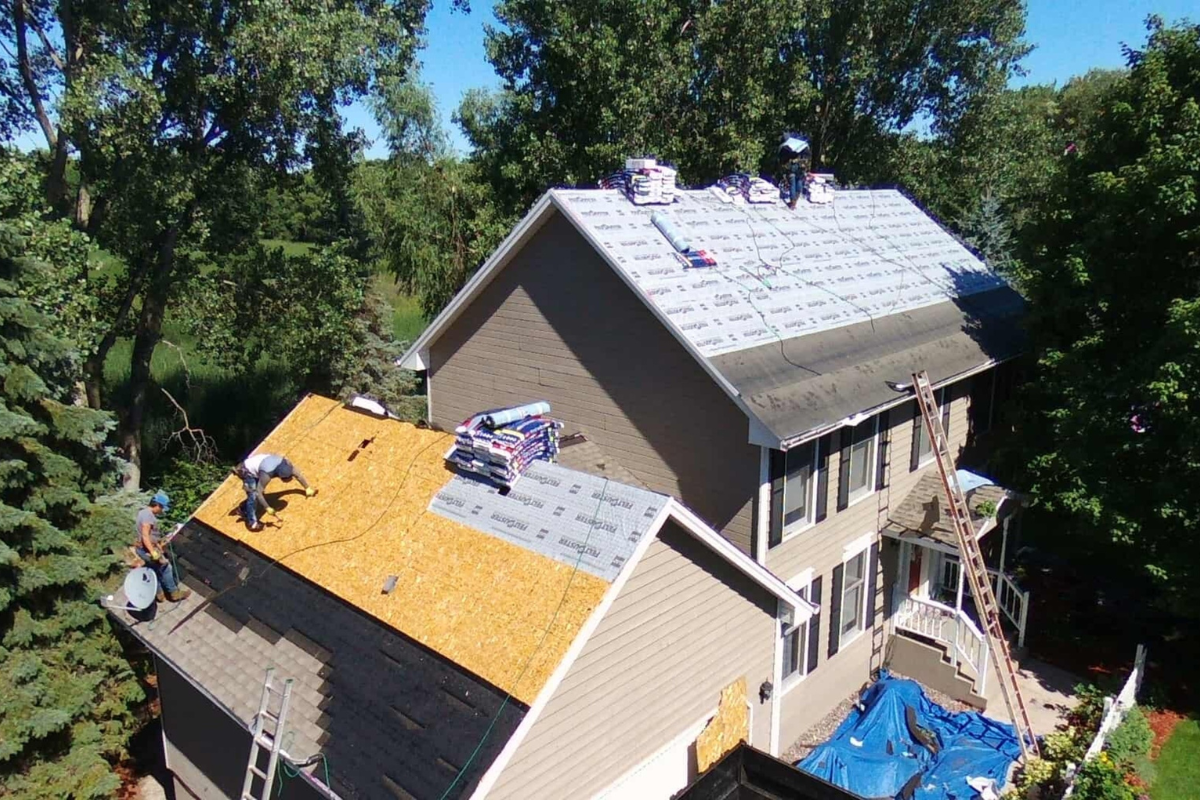
A clean sequence helps in any climate, but in harsh zones the margins are thinner. Dry-in happens as soon as the old roof is off. I never leave a deck open to an afternoon thunderstorm or overnight freeze. Underlayment goes down with laps set for the prevailing wind and carefully rolled to avoid bubbles that turn into wear points under panels. Eave and rake trim are set true, because crooked trim telegraphs through every panel that follows. Panels are measured and cut to allow the right hem at the eave and the correct engagement at the ridge or headwall.
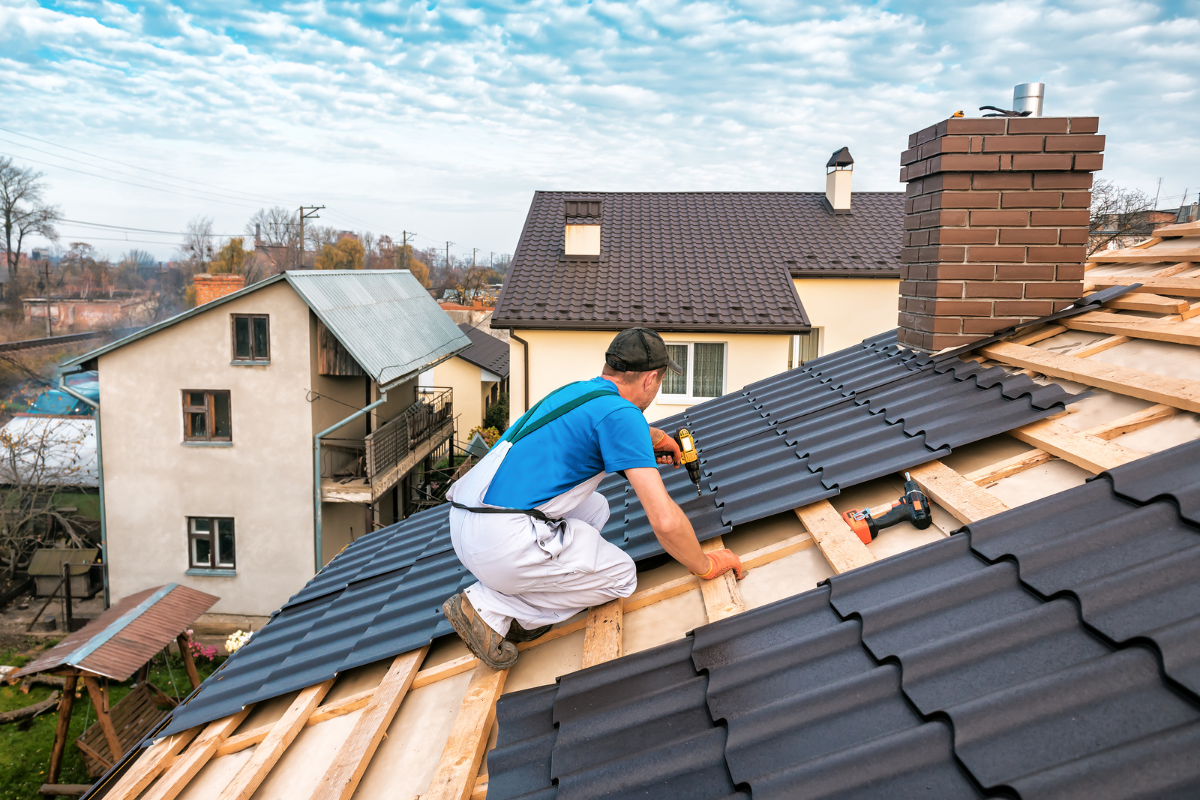
Clips and fasteners follow the engineered spacing. Panels go on straight, square to the eave. Seams are engaged consistently, and mechanical seams are set with calibrated tools in two passes for profiles that require a 180-degree final fold. Sealant is a backup, not a primary defense, and it goes only where specified. A bead of sealant used to fix a lapped mistake is a time bomb. Penetrations get flashed as they are installed, not at the end of the day when people are tired and the sun is down. That discipline prevents the kinds of leaks that ruin the goodwill of an otherwise solid job.
Maintenance that respects the material
Metal roofs do not ask for much, but they do notice neglect. An annual inspection ahead of winter pays for itself. I look for fastener back-out at edges and corners, sealant that has shrunk or cracked around penetrations, debris in valleys, and scuffing near regular footpaths. A soft-bristle brush and mild detergent will remove grime and organic growth without hurting finishes. Pressure washers can force water into seams. Use them sparingly and at distance, or not at all.
After major wind or hail events, a quick check for displaced ridge caps, scuffed paint, or dented panels can prevent small issues from reaching the deck. Hail dents do not always compromise watertightness, but they can bruise coatings. If the roof is insured, document immediately. In snow regions, clear heavy drifts where safe, not by chiseling down to steel, but by reducing loads on weak points. Snow guards protect people and property; they are not a substitute for sound structural loads.
Cost, value, and the horizon you care about
New metal roof installation costs more than a standard asphalt overlay, often two to three times on a simple gable, with the gap widening on complex roofs. The delta shrinks when you factor lifespan and maintenance. A well-installed standing seam steel roof with PVDF finish can serve 40 to 60 years in many environments. Through-fastened systems do less, often 20 to 30 years with maintenance. In coastal aluminum or stainless, upfront costs climb, but corrosion resistance extends life.
Energy savings are real but variable. In hot climates, a light, reflective metal roof can reduce cooling loads by a noticeable margin, sometimes 10 to 20 percent for the top floor. In cold climates, the benefit depends more on air sealing and insulation than on the roofing itself, though snow shedding and reduced ice damming have real, if indirect, value. If you plan to own the property long enough to see at least one shingle cycle, metal’s durability starts to pencil out. If resale is imminent, curb appeal and the warranty gap carry the argument.
Repair playbook for owners not ready to replace
Sometimes the roof is young enough or the budget tight enough that repair beats replacement. Prioritize by risk. Valleys, penetrations, and edges cause most leaks, and they are the most economical to fix. A metal roofing repair service can reseal laps with compatible sealants, replace aged boots around vent pipes, tighten or replace failing fasteners, and add diverters where water overwhelms a transition. If panels are oil-canning but watertight, resist the urge to replace for aesthetics unless the roof is a centerpiece property. Oil canning annoys, yet it rarely means failure.
Coating restoration systems exist for aging metal, especially on low-slope commercial roofs with exposed fasteners. Done right, with proper prep and fastener replacement, they can bridge five to fifteen years. Done as a shortcut over rust and loose panels, they hide problems until they cost more. I use them when the substrate is sound and the owner needs time before a full metal roof replacement.
Selecting metal roofing contractors who thrive in tough weather
Qualifications are not just certificates. Good metal roofing contractors invest in field seaming tools, clip gauges, and brake and shear capacity to make custom flashings. Ask about their panel source, whether they roll-form on site or buy factory panels, and how they document clip and fastener spacing. References should include projects that resemble yours in exposure and design. For residential metal roofing, look for a photo set that shows more than glamour shots, including close-ups of valleys, ridges, and penetrations. For commercial metal roofing, request details of curbs and terminations. A contractor who is proud to show details usually installs them well.
Local metal roofing services that answer the phone after a storm are worth more than a bargain price. Weather does not negotiate, and neither should your roof.
The bottom line for harsh climates
Metal roofing shines where conditions punish lesser systems. It demands respect for movement, water, and wind, plus an honest look at corrosion and fire. Choose a system for the climate, not the catalog. Build the assembly from the deck up, with underlayment, ventilation, and structure aligned to the weather you expect, and the weather you do not. Trust a contractor who obsesses over edges, corners, valleys, and curbs. Maintain the roof with a light touch and a regular schedule. Get repair when it buys meaningful time, and replacement when the base metal tells you the story is over.
Do it that way, and you will not think about your roof when the forecast turns ugly. It will just sit there, doing its job, while you stay warm, dry, and a little less worried about what the sky is about to throw at you.
Metal Roofing – Frequently Asked Questions
What is the biggest problem with metal roofs?
The most common problems with metal roofs include potential denting from hail or heavy impact, noise during rain without proper insulation, and higher upfront costs compared to asphalt shingles. However, when properly installed, metal roofs are highly durable and resistant to many common roofing issues.
Is it cheaper to do a metal roof or shingles?
Asphalt shingles are usually cheaper upfront, while metal roofs cost more to install. However, metal roofing lasts much longer (40–70 years) and requires less maintenance, making it more cost-effective in the long run compared to shingles, which typically last 15–25 years.
How much does a 2000 sq ft metal roof cost?
The cost of a 2000 sq ft metal roof can range from $10,000 to $34,000 depending on the type of metal (steel, aluminum, copper), the style (standing seam, corrugated), labor, and local pricing. On average, homeowners spend about $15,000–$25,000 for a 2000 sq ft metal roof installation.
How much is 1000 sq ft of metal roofing?
A 1000 sq ft metal roof typically costs between $5,000 and $17,000 installed, depending on materials and labor. Basic corrugated steel panels are more affordable, while standing seam and specialty metals like copper or zinc can significantly increase the price.
Do metal roofs leak more than shingles?
When installed correctly, metal roofs are less likely to leak than shingles. Their large panels and fewer seams create a stronger barrier against water. Most leaks in metal roofing occur due to poor installation, incorrect fasteners, or lack of maintenance around penetrations like chimneys and skylights.
How many years will a metal roof last?
A properly installed and maintained metal roof can last 40–70 years, and premium metals like copper or zinc can last over 100 years. This far outperforms asphalt shingles, which typically need replacement every 15–25 years.
Does a metal roof lower your insurance?
Yes, many insurance companies offer discounts for metal roofs because they are more resistant to fire, wind, and hail damage. The amount of savings depends on the insurer and location, but discounts of 5%–20% are common for homes with metal roofing.
Can you put metal roofing directly on shingles?
In many cases, yes — metal roofing can be installed directly over asphalt shingles if local codes allow. This saves on tear-off costs and reduces waste. However, it requires a solid decking and underlayment to prevent moisture issues and to ensure proper installation.
What color metal roof is best?
The best color depends on climate, style, and energy efficiency needs. Light colors like white, beige, or light gray reflect sunlight and reduce cooling costs, making them ideal for hot climates. Dark colors like black, dark gray, or brown enhance curb appeal but may absorb more heat. Ultimately, the best choice balances aesthetics with performance for your region.